

Kampala · Uganda · East Africa
African gold. Refined in Uganda. Trusted for global trade.
Professional gold sourcing, refining and international B2B trading from East and Central Africa, serving qualified counterparties across the Middle East, Europe, the United States and Australia.
Verified purity
Specification established by documented testing on identified material, not by declaration.
Responsible sourcing
Counterparty and origin understood through a continuing review, not a one-time check.
Full documentation
A documentary trail running from first engagement through to completed transaction records.
Global delivery
International movement planned around destination, documentation, security and applicable law.
About us
A Ugandan precious-metals company built for international counterparties
Osford Minerals Resources sources, refines and trades gold from East and Central Africa. Our work is organised around documented origin, verified assay and complete export paperwork, so that every lot can be examined rather than simply described.
Our operations are based in Kampala, Uganda, where refining, laboratory assay, compliance review and secure logistics are coordinated under one accountable process. From there we serve qualified buyers across the Middle East, Europe, the United States and Australia, subject to identity verification, KYC/AML review, responsible-sourcing requirements and applicable trade regulations.


Verified purity
Purity is a specification to be evidenced, not a claim to be repeated
Purity is a fundamental product characteristic. It determines how material must be processed, what it can be used for, what documentation it requires and whether a counterparty can accept it at all. For that reason a counterparty needs clarity about the specification of the material being presented — and clarity means evidence.
Verification is the set of procedures that turns a stated figure into a determined one: identifying the material, taking a representative sample, testing it by an appropriate method, confirming weight, recording the result against the identifier and retaining the records so the figure can be traced back later.
Why purity verification matters
Fineness drives everything downstream. It determines the refining required to reach a target specification, the commercial evaluation both parties make, the documentation that must accompany the material and, ultimately, whether a receiving facility or buyer will accept it.
A discrepancy discovered after material has moved is expensive and slow to resolve. A discrepancy identified through verification before movement is simply information.
From declaration to evidence
A seller stating a purity figure and a seller holding evidence for it are doing two different things. Colour, weight in the hand, stamping or a confident description are not proof of composition.
Evidence identifies the material, states the fineness determined, names the method and the party who performed the analysis, gives the date and remains traceable to the lot it describes. Where any of those elements is missing, we describe the figure as a declared specification rather than a verified one.
What verification covers
Product identification and declared specification, sampling and assay where applicable, fineness determination, weight verification, quality-control procedures, supporting product documentation and the recording of results.
Independent verification
Where a counterparty's procedure requires it, independent or witnessed assay can be arranged at a mutually acceptable facility. Who performs verification, where, and how discrepancies are handled are agreed before material moves.
Traceability
Every record refers to a lot or item identifier assigned at intake, so that assay, weight, refining and packing records can be matched back to the specific material they describe.
The exact verification process depends on the product, the transaction structure, the location, the refinery or laboratory involved, the counterparty's own requirements and the procedures applicable to the route. We do not state that any product carries a particular purity unless that has been determined and documented for the specific material concerned.
999.9 fine — reference for investment-grade material
916 fine — trade and jewellery material
750 fine — fine jewellery
585 fine — durable jewellery
Karat and fineness are conversions of one another and describe a specification. They are not a substitute for an assay result on identified material.
Responsible sourcing
Responsible sourcing is a continuing process, not a phrase on a website
Calling material responsibly sourced asserts a conclusion. What matters is the work behind it: understanding the counterparty, the origin information available, the documentation supporting it, the risks that emerge and what was done about them.
Know the source. Understand the counterparty.
Two questions run in parallel. The first concerns the material: where it came from, how it was recovered or acquired, what records accompany it and whether the account given is internally consistent. The second concerns the organisations: legal identity, ownership and control, licences and registrations, jurisdictions of operation and any exposure requiring further review.
Neither answer stands alone. Well-documented material presented by an organisation that cannot be identified is not a resolved position, and nor is a well-identified company presenting material with no coherent origin account.
Responsible sourcing is continuous
Due diligence performed once at onboarding describes a single moment. Ownership changes, licences lapse, jurisdictions change status, supply routes shift and counterparties enter new arrangements.
Review therefore continues for as long as a relationship does, at a depth proportionate to the risk it presents. Where information raises questions, the matter is escalated for further review rather than resolved by assumption — including when the transaction is commercially attractive.
Requirements vary according to jurisdiction, transaction type, product, supply chain and counterparty. Our procedures are designed with reference to internationally recognised responsible minerals principles, including the OECD Due Diligence Guidance. We do not claim certification, accreditation or scheme membership that has not been verified.
Read the responsible sourcing approachFull documentation
A clear documentary trail from first engagement through to completion
Documentation is what makes a physical gold transaction transparent, traceable, compliant, movable across borders and explainable afterwards. Banks, auditors, customs authorities and counterparties all examine records rather than metal, which is why the documentary chain is treated as part of the transaction rather than as administration that follows it.
Corporate documentation
Prospective counterparties may be asked to provide company information and supporting records as part of onboarding and due diligence: registration, jurisdiction, authorised representatives and ownership information. The requirement runs in both directions.
Product documentation
Product records may carry information on specification, weight, purity, origin, assay and related matters where applicable, each tied to an identifier so that a document can be matched to the material it describes.
Transaction documentation
Agreements, instructions and confirmations establish what the parties have agreed, what each is responsible for, how verification will be performed and what conditions apply to completion — so neither party relies on recollection.
Logistics documentation
Cross-border movement of physical precious metals may require transport, customs, export and import documentation, depending on the transaction and the jurisdictions involved. It is prepared before movement, not during it.
Compliance records
Records may be maintained demonstrating the checks and reviews performed during onboarding and execution: what was reviewed, when, by whom and on what basis.
Retention and reconciliation
Records are retained so that a transaction can be reconciled and explained months later. In this trade that is a normal requirement rather than an optional extra.
Global delivery
International movement of precious metals is a planning exercise
Moving physical gold across borders is not ordinary commercial shipping. Before anything moves, the destination's requirements, the documentation set, secure handling arrangements, insurance where applicable, customs and export or import procedures and chain-of-custody responsibilities all have to be established.
Transaction planning, logistics coordination, transport arrangements, communication between the parties involved, delivery documentation and confirmation records are treated as a single connected exercise. A consignment that departs before those elements are settled creates exposure that cannot be resolved in transit.
We do not promise delivery to every country. Delivery capability is assessed according to the transaction, the destination, applicable law, logistics requirements and the service arrangements available.

From origin to destination
Documentation, verification, compliance and logistics have to work together before physical movement takes place. Verification establishes what the material is; compliance establishes whether the transaction and its parties can proceed; documentation records both and satisfies the requirements of the route; logistics executes the movement under a chain of custody that records every handover.
Each depends on the others. Logistics cannot be planned without knowing the specification; customs documentation cannot be prepared without verified weights and identifiers; and no responsible movement takes place before compliance review is complete.
Gold products
Doré, refined bars, granules, assay samples and structured requirements
Physical gold products differ by form, weight, purity, refining status, documentation, origin and intended use. Each category page sets out what the product is, its typical characteristics, purity and weight considerations, the verification it requires, the documentation that accompanies it, refining and logistics considerations, who it is likely to suit and how enquiries are handled.
Commercial terms are discussed directly with qualified counterparties and depend on product specifications, transaction structure, documentation, logistics and other relevant requirements. No prices, fees or indicative values are published on this website.
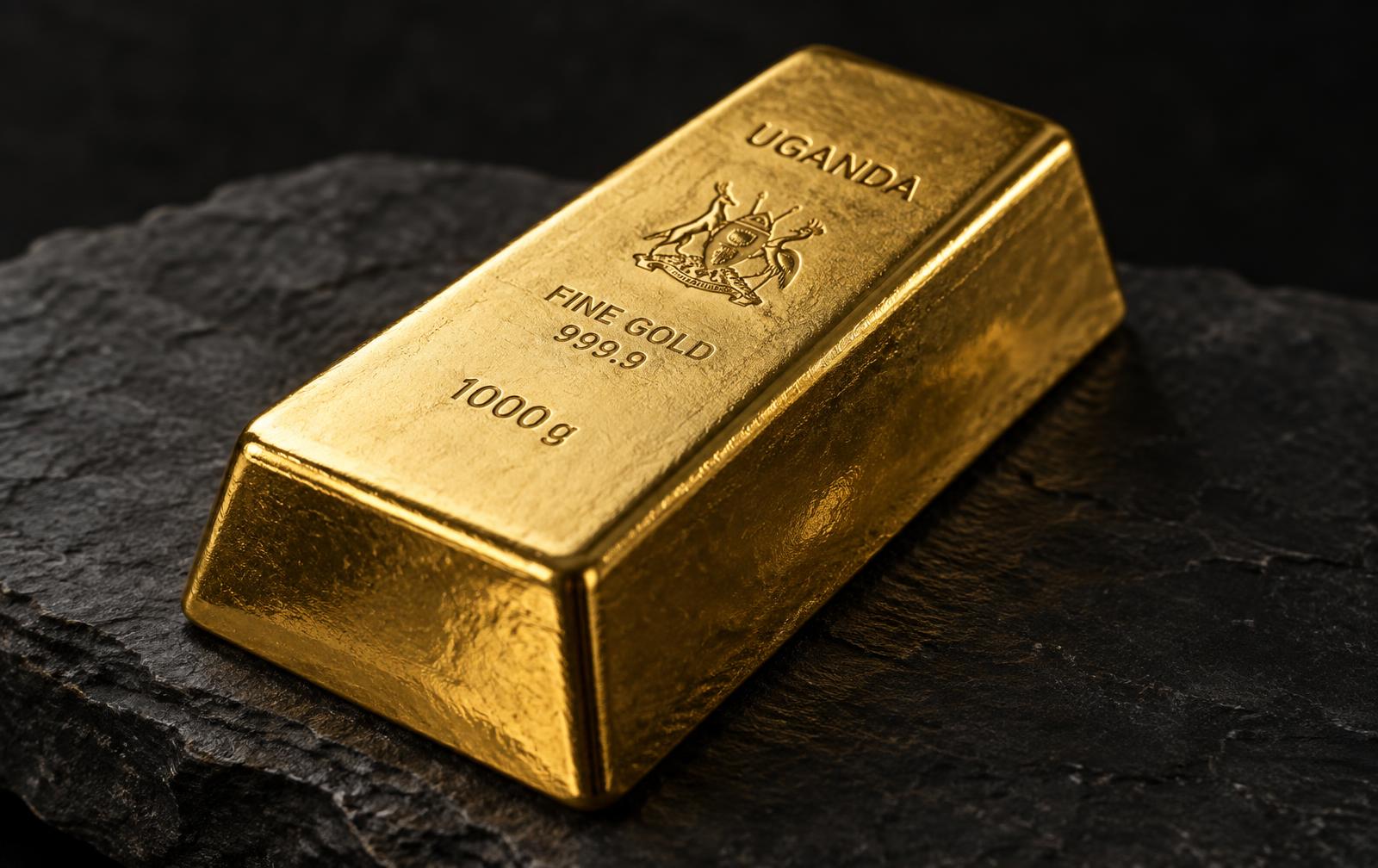
Gold Doré
Semi-refined material presented for assessment, assay and further processing
Doré is unrefined or semi-refined gold in cast form, containing silver, copper and other elements alongside gold. It is a working material rather than a finished product, and its characteristics are established by sampling and assay rather than by declaration.
Product information →Refined Gold Bars
Cast bars prepared to an agreed specification and supported by documentation
Refined cast bars are finished products produced to a defined specification, identified individually and accompanied by records that connect the physical item to its assay and weight information.
Product information →Gold Granules
Granulated refined material for manufacturing and further processing
Granules are refined gold in small cast particles, supplied in lots rather than as individually identified items, which changes how sampling, weighing and documentation are handled.
Product information →Assay Samples
Material retained and provided so that results can be checked independently
Samples are not a commercial product in themselves. They exist so that a counterparty, a laboratory or an independent party can test the same material the records describe.
Product information →Bulk & Custom B2B Requirements
Structured arrangements defined around a counterparty's specification and procedure
Some counterparties require an arrangement rather than a product: a defined specification, a repeatable verification procedure, agreed documentation and a logistics route that suits their operation.
Product information →Refining
What each stage of refining establishes
Refining produces both a material change and a record at every stage. Where third-party facilities perform refining or laboratory work, their role is identified in the records rather than presented as our own.
Material received
Recorded intake with date, description and presenting party.
Identification
An identifier assigned at intake that every later record refers to.
Assessment
Condition, handling route and recorded gross weight.
Sampling
A representative portion taken under defined, documented conditions.
Assay
Composition determined by an appropriate method, with method and date recorded.
Refining
Impurities removed to reach an agreed specification.
Verification
Refined material checked against specification and re-weighed.
Documentation
Refinery, assay and product records connected into one traceable chain.
Global markets
African supply. Global relationships.
Regional sourcing moves into Kampala for refining, and refined material moves onward to buyers in the Gulf, Europe, the United Kingdom, the United States and Australia. Each region carries its own documentation standard and logistics arrangement.
The routes shown describe the directions in which we work and the documentation and logistics arrangements that apply to each. They do not represent existing clients, completed shipments, licences or trading volumes.
Open the global markets mapMarket insights & knowledge
Understand the trade before you enter it
Purity & Assay
Understanding Gold Purity: Karat, Fineness and What an Assay Actually Proves
Karat, fineness and assay results explained, and why a purity figure only means something when it is attached to a documented test of identified material.
Updated 2026-09-21
Responsible Sourcing
Responsible Sourcing in Practice: Due Diligence as a Continuing Process
Supplier identification, origin information, supply-chain visibility, risk review and the monitoring that has to continue after onboarding is complete.
Updated 2026-09-21
Refining
From Doré to Finished Bar: What Each Stage of Refining Establishes
Receiving, identification, assessment, sampling, assay, refining, verification and documentation — what each stage determines and why the record matters as much as the metal.
Updated 2026-09-21
Trade
How Professional Counterparties Structure Physical Gold Transactions
Documentation before discussion, verification rights, settlement structure and the signals that separate a professional counterparty from an unworkable one.
Updated 2026-09-21
Logistics
Moving Physical Precious Metals Across Borders
Why international movement of gold is a planning exercise in documentation, security and regulatory requirements rather than ordinary freight.
Updated 2026-09-21
Gold Market
How the Gold Price Is Formed
Benchmarks, over-the-counter trading, futures and the difference between a reference price and a commercial term in a physical transaction.
Updated 2026-09-21
Looking for a reliable African gold supply partner?
Speak with our team about product requirements, verification procedures, documentation and international B2B transactions.
+256 200 950 606 · Central Road, Kiwatule, Kampala, Uganda